
A recommendation is the start of a conversation
An insurer's shop recommendation can be useful, but it need not replace your own conversation about where the vehicle will be assessed. For drivers in New Hampshire and Massachusetts, the practical starting point is to name the shop you prefer and ask how the claim will proceed there. Separate the choice of repairer from questions about payment, parts, and documentation. Those are related decisions, not interchangeable ones. Get the representative's explanation in writing when possible, especially if you are comparing a suggested shop with another facility. This keeps the discussion focused on your actual claim rather than broad statements about how every accident is handled.
Compare the explanation, not just a number
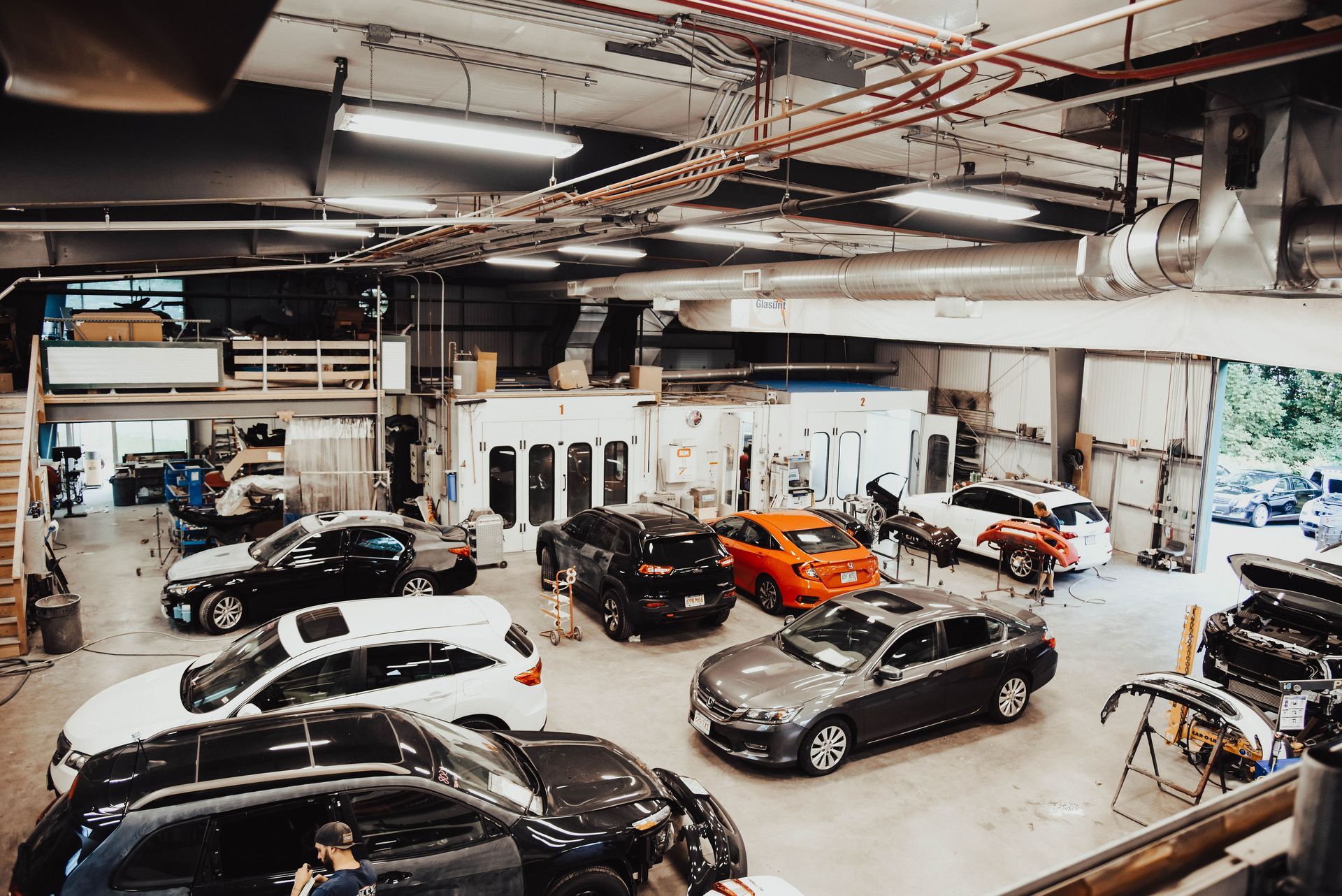
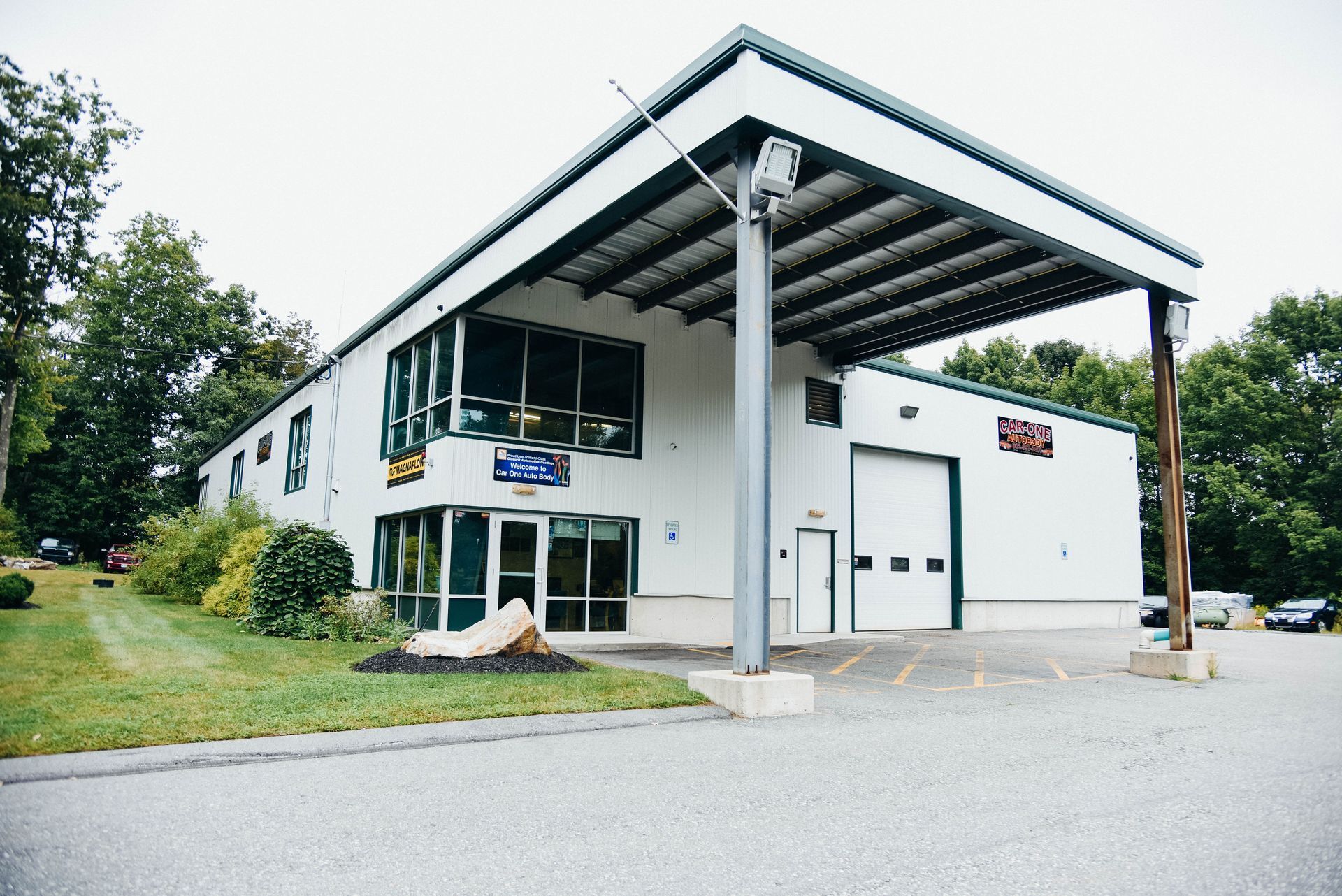
Evaluate a shop by the quality of its explanation as well as the equipment relevant to your damage. Describe the impact and ask who will communicate with you, how additional findings are recorded, and what the initial inspection includes. Car One has operated since 2004 at 55 Pelham Rd, Salem, NH, near Exit 2 on I-93. Its equipment includes two paint booths, two frame machines, scanners, alignment equipment, and tire mounting and balancing equipment. Ask which capabilities matter for your vehicle instead of treating an equipment list as a substitute for a repair plan. A clear answer should connect the proposed work to identifiable damage.
Tell the insurer where you want an assessment
Compare estimates line by line rather than ranking them by the bottom total. One document may describe a replacement bumper cover while another includes related brackets, refinishing operations, and work on adjacent panels. An early photograph-based estimate may also leave items for examination after disassembly. Ask whether each estimate covers the same damaged areas and how existing unrelated marks are distinguished from the current loss. The useful question is what each operation accomplishes, not simply why two totals differ. Keep copies of every version so a later revision can be understood as an actual change in scope rather than a confusing new document.
Understand newly discovered damage
Tell the insurer where you want the estimate sent and give the shop your claim number and representative's contact information. Car One provides free estimates and direct billing, which can simplify the exchange of repair documentation and payment information. Direct billing is an administrative arrangement, not a statement that every item on a work order will be paid by the insurer. Ask the shop to distinguish the claim work from any separate customer requests, such as repairing an older dent while a panel is being refinished. That separation makes authorization clearer and prevents unrelated improvements from becoming mixed into the accident repair discussion.
Keep parts questions practical
A supplement describes additional or revised work beyond an earlier estimate. It can arise when disassembly reveals a broken mounting point, a damaged reinforcement, or another condition that was not visible during the initial inspection. Ask how the shop records the finding and who submits the supporting information to the claim representative. Photographs, measurements, and an explanation of the required operation make the conversation more specific. Before authorizing a change, understand whether it concerns newly discovered impact damage or a different issue. Keep the updated scope with the earlier version so you can follow the progression without relying on memory or disconnected phone messages.
Plan the time without a guessed deadline
Parts terminology deserves plain language. Ask whether a proposed part is new, recycled, or aftermarket, how it is identified for your exact vehicle, and what related fitting or refinishing work is included. Different part descriptions can account for differences between estimates even when the damaged panel is the same. If you have a preference, raise it before parts are ordered and ask how any resulting customer responsibility would be documented. Avoid assuming that a brand name alone answers every question about fit or repair suitability. The productive discussion concerns the actual component, its condition, its intended use, and the operations needed to install it.
Use one organized claim record
Choose a single place to keep the claim number, estimate versions, photographs, authorizations, and payment correspondence. Note the name of the person who answers a question and what action follows from that answer. If several family members are helping, designate the person who can authorize work and receive updates. Ask how transport and collection should be coordinated, and confirm the arrangements before moving the vehicle between locations. This is especially helpful when the driver, policyholder, and registered owner are different people. Organized communication does not replace the inspection, but it reduces crossed messages about which work was requested and who needs to respond next.
Finish with an agreed next step
Before collection, request a walkthrough of the final repair order rather than treating the last conversation as a payment-only exchange. Identify the repairs completed, any separately requested work, and the documents you should retain. Confirm the customer balance with the shop and match it to the explanation you received during authorization. Ask for instructions specific to fresh refinishing or replaced components. If something on the paperwork is unfamiliar, have it explained while the vehicle and records are together. The goal is to leave with an understandable account of the repair and a clear contact for follow-up questions, not merely a receipt with unexplained abbreviations.