
Decide what you want the car to become
Begin a classic car project by describing the finished car you actually want to use. A regularly driven cruiser, an original-looking weekend car, and a customized showpiece lead to different decisions about panel finish, trim, and how much existing character to retain. Write down the features that matter most, such as a particular color combination, intact original moldings, or straight body lines. Reference photographs help communicate taste, but they should illustrate details rather than imply that another vehicle's condition matches yours. A clear purpose gives the body and paint conversation direction before anyone starts removing layers that may reveal a very different project underneath.
Look at condition before choosing color
Inspect condition before choosing the final shade. New England classics can hold corrosion in rocker panels, wheel housings, floor seams, lower doors, and areas where debris trapped moisture. Paint bubbles and thick filler may conceal a larger problem, while a dull finish may cover relatively sound panels. Ask for an assessment that distinguishes cosmetic wear from deteriorated metal and poorly executed previous repairs. Where a load-bearing area appears compromised, have it evaluated before driving or dismantling the car further. The objective is not to condemn every old repair, but to learn which existing materials provide a sound foundation and which need to be addressed first.
Bring an organized project record
Bring the car's history in a form someone else can use. Earlier photographs, paint codes, invoices, and notes about replaced panels can clarify what is original and what has changed. Label loose trim and hardware by location, keeping left and right pieces distinct. Photograph assemblies before taking them apart, including how moldings meet adjacent panels and where clips are installed. If parts are already boxed, prepare an inventory that identifies missing or damaged pieces rather than simply saying everything is there. Good documentation reduces guesswork about reassembly and lets the shop discuss the actual collection of parts instead of an assumed complete vehicle.
Break the scope into decisions
Plan the sequence around the work beneath the finish. Metal repairs, panel fit, and attachment points need attention before final surface preparation and color. A door that does not align properly should not be treated as a paint problem, and a missing trim clip provision is easier to discuss before the coating is finished. Ask how the shop proposes to establish fit and inspect concealed areas. Disturbing old coatings may reveal additional work, so identify which decisions can be made now and which depend on access. This turns a broad wish to restore the car into a series of connected technical choices with a clear purpose.
Talk budget without invented figures
Discuss the financial scope by separating essential body repairs from elective appearance changes. Ask for a written description of the proposed work, what remains unknown, and how changes will be presented for your authorization. A free estimate at Car One can begin that conversation without pretending that concealed rust has already been measured. Decide which priorities you want addressed if inspection reveals more deterioration than expected. It may make sense to reconsider a cosmetic upgrade rather than leave an underlying panel problem unresolved. The useful budgeting exercise is understanding the work categories and decision points, not attaching a confident figure to metal that nobody has examined yet.
Consider custom work separately
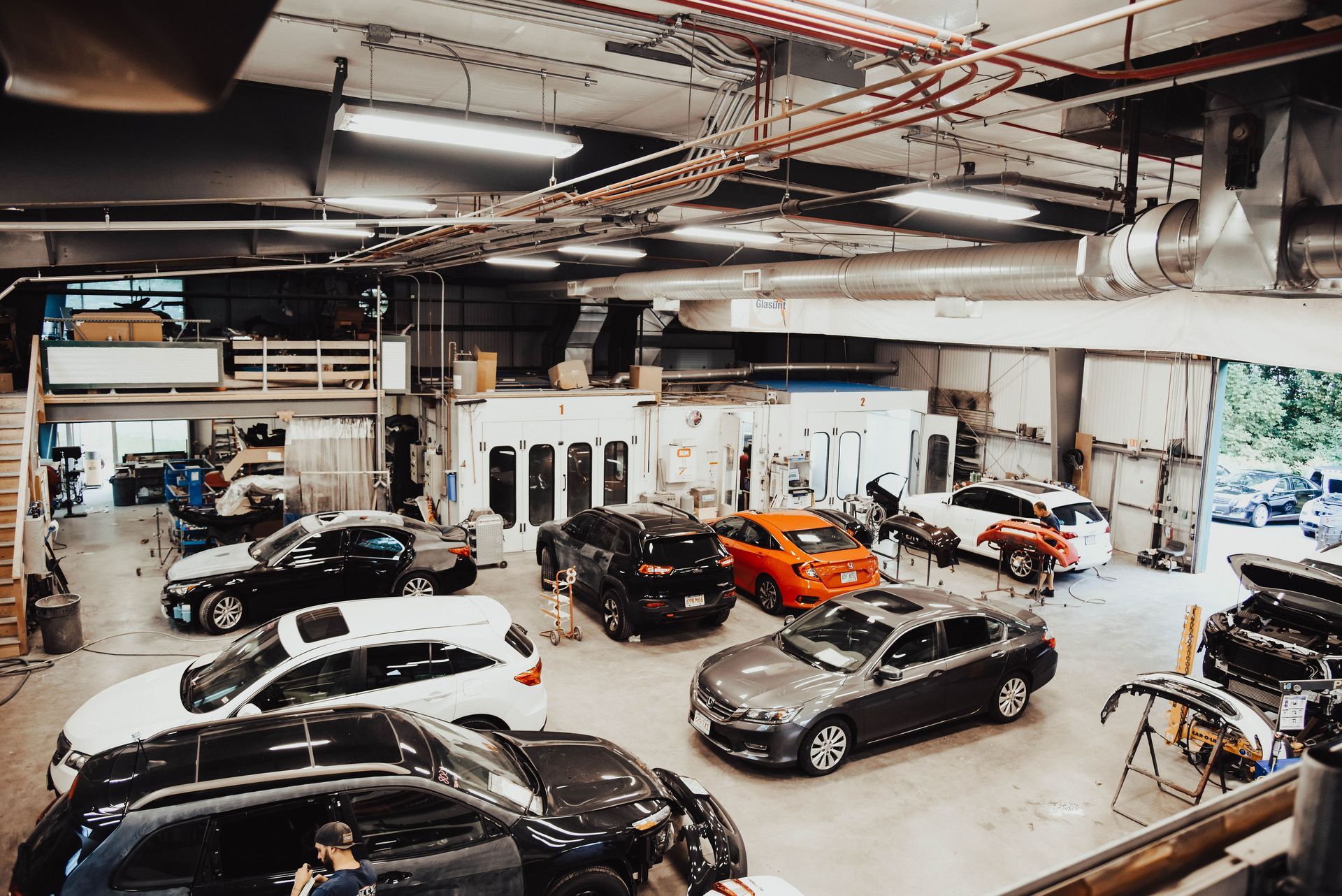
Color selection should consider the entire car, including jambs, the engine compartment, trim, and any panels that will retain an existing finish. An original color code is valuable reference information, but surviving paint may have changed with age or been replaced during an earlier repair. Ask how a proposed match will be evaluated against the surfaces you intend to keep. For a complete color change, discuss the less visible areas so the result reflects your intention when doors and lids are open. Car One has two paint booths; the important planning question remains which surfaces are included and how the preparation supports the chosen finish.
Choose color with the whole car in mind
Treat custom touches as individual design decisions rather than automatic additions to a restoration. Different wheels, altered trim, shaved openings, or nonstandard finishes can affect neighboring bodywork and how parts attach. Bring clear examples and ask what each idea changes in the body and paint scope before committing to it. Keep removed original parts identified if retaining them matters to you. Coordinate mechanical and interior work with the body plan so finished surfaces are not repeatedly disturbed for tasks that could have been anticipated. A coherent car usually begins with compatible decisions, not a collection of attractive details considered separately without reference to the whole build.
Start in Salem with the car’s priorities
Car One has served customers since 2004 at 55 Pelham Rd, Salem, NH, near Exit 2 off I-93. For an initial restoration conversation, bring photographs of the whole vehicle, close views of rust concerns, your parts inventory, and a short statement of priorities. If the car cannot be brought in, explain its condition and ask how the assessment should begin. Confirm the scope under discussion before authorizing disassembly or transporting loose parts. Leave with a shared understanding of the intended result and the next condition question to answer. That foundation is more valuable than selecting a dramatic paint color before the underlying body has been understood.